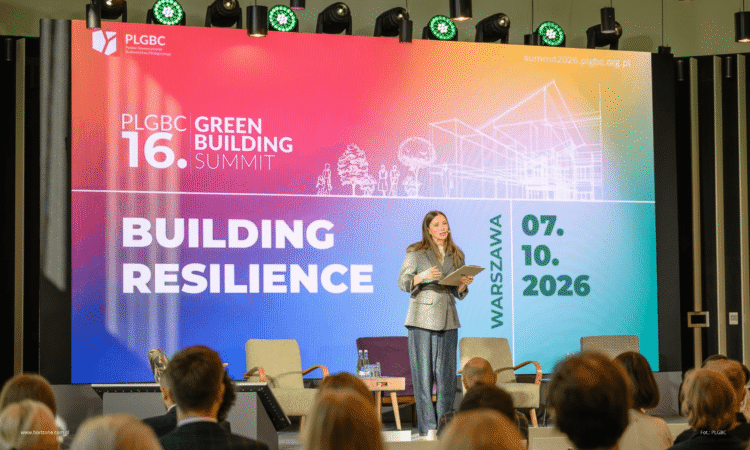



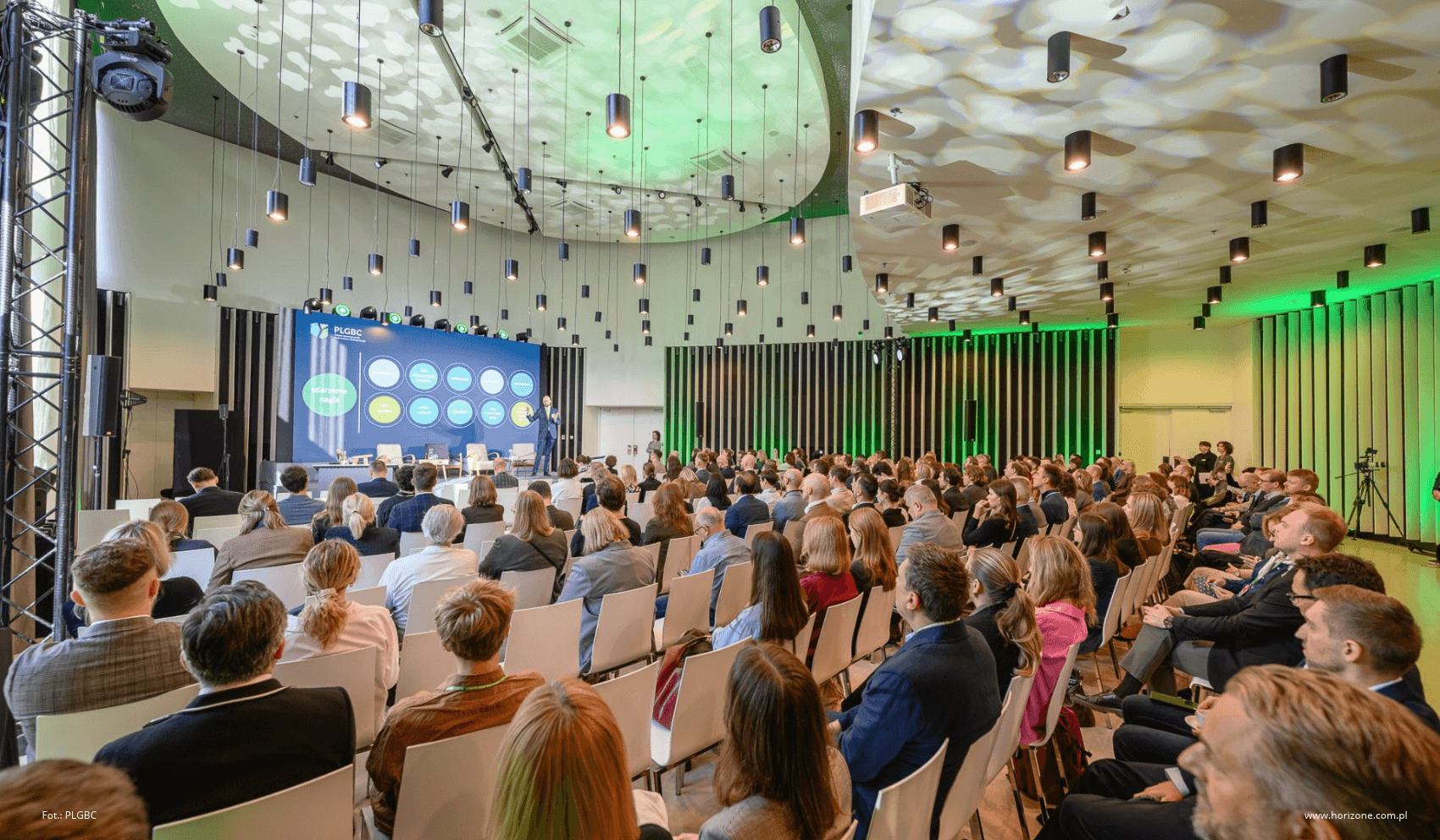
This year’s edition of the PLGBC Green Building Summit, held under the theme “Building Resilience,” provided an opportunity to discuss the future of sustainable construction and various dimensions of resilience-ranging from climate change and responsible resource management to health, well-being, and quality of life.
The program of this hybrid international event focused on four strategic thematic sessions showcasing different dimensions of resilience: climate, circularity, nature-positive thinking, and buildings that better meet the needs of people and communities:
Among the topics addressed was a question of particular importance from a design perspective: can architecture actively foster behavioral change and community building?
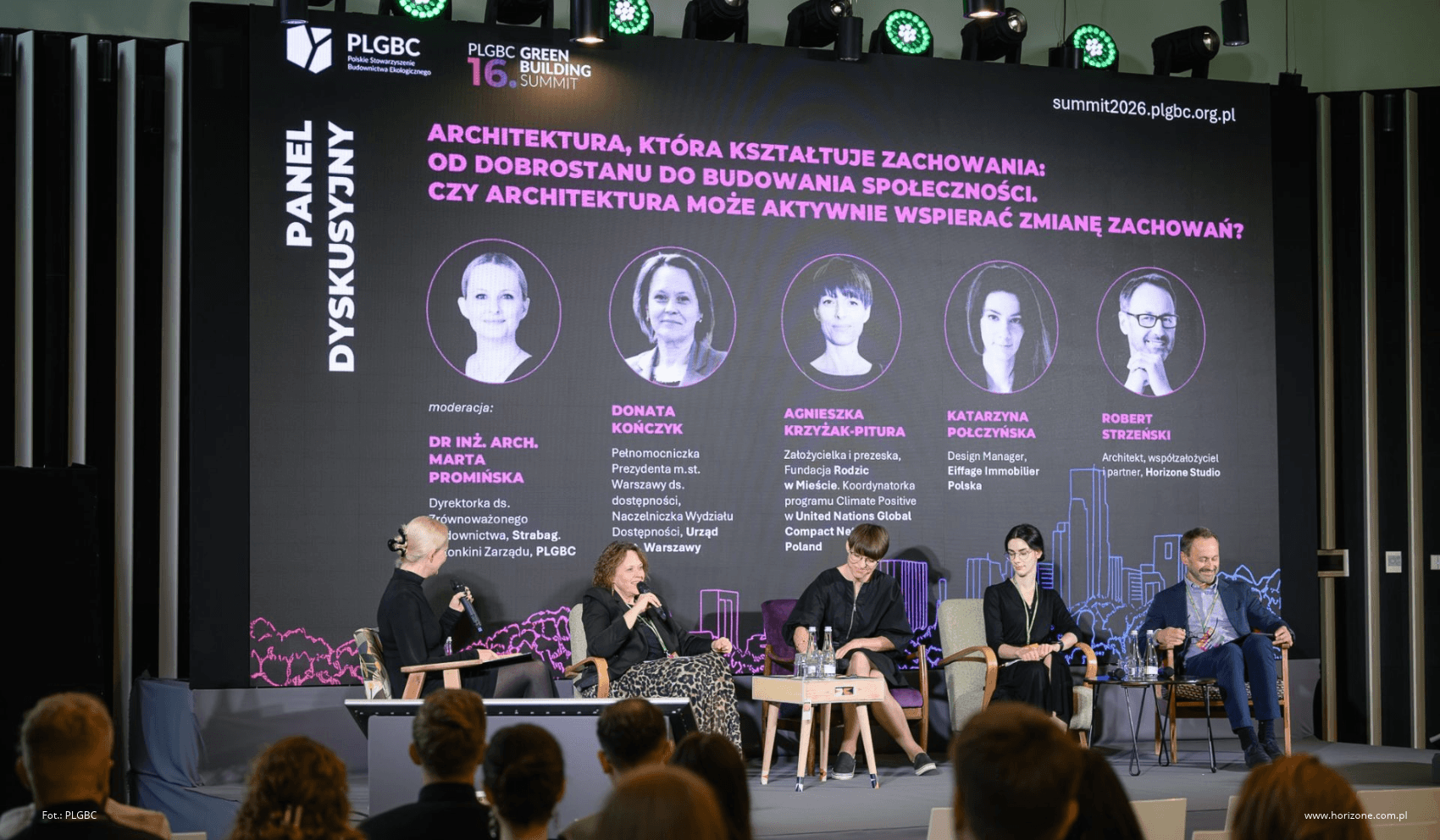
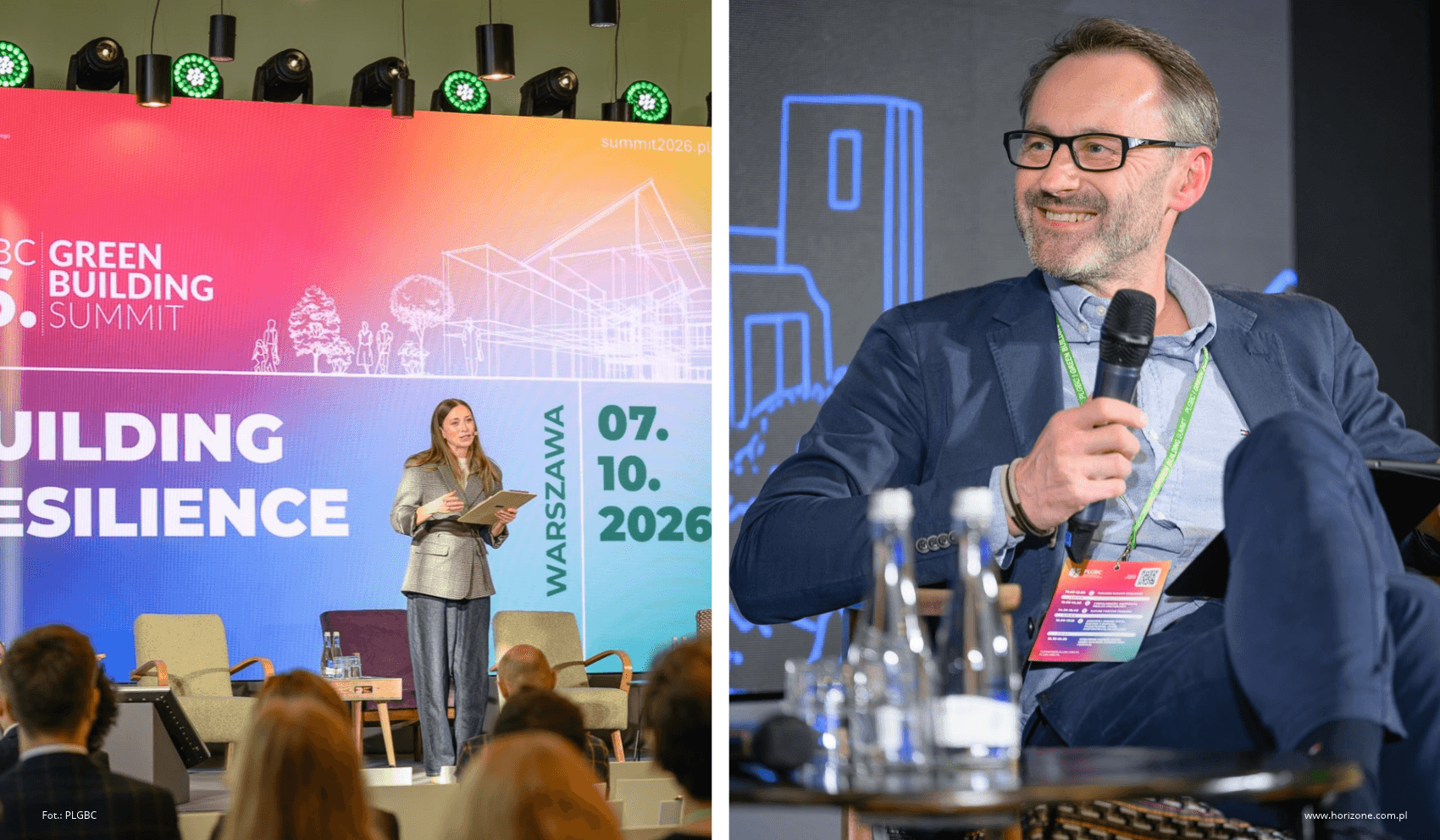
Robert Strzeński, Partner at Horizone Studio, discussed this during the panel titled “Architecture That Shapes Behavior: From Well-being to Community Building.” The discussion centered on the importance of spaces that meet human needs, encourage activity, support regeneration, and create conditions for building relationships. Health and well-being are also shaped by the environments in which we live, work, and spend our time. Well-designed buildings and urban spaces can reduce stress, foster independence and a sense of security, encourage physical activity, and strengthen social bonds. In this context, accessibility and the concept of “well-aging”—which focuses on creating environments that support well-being at every stage of life—take on particular importance.
This perspective allows for a broader view of sustainable construction: one that looks beyond technology, materials, or energy efficiency to consider the impact of designed spaces on the daily experiences of their users.
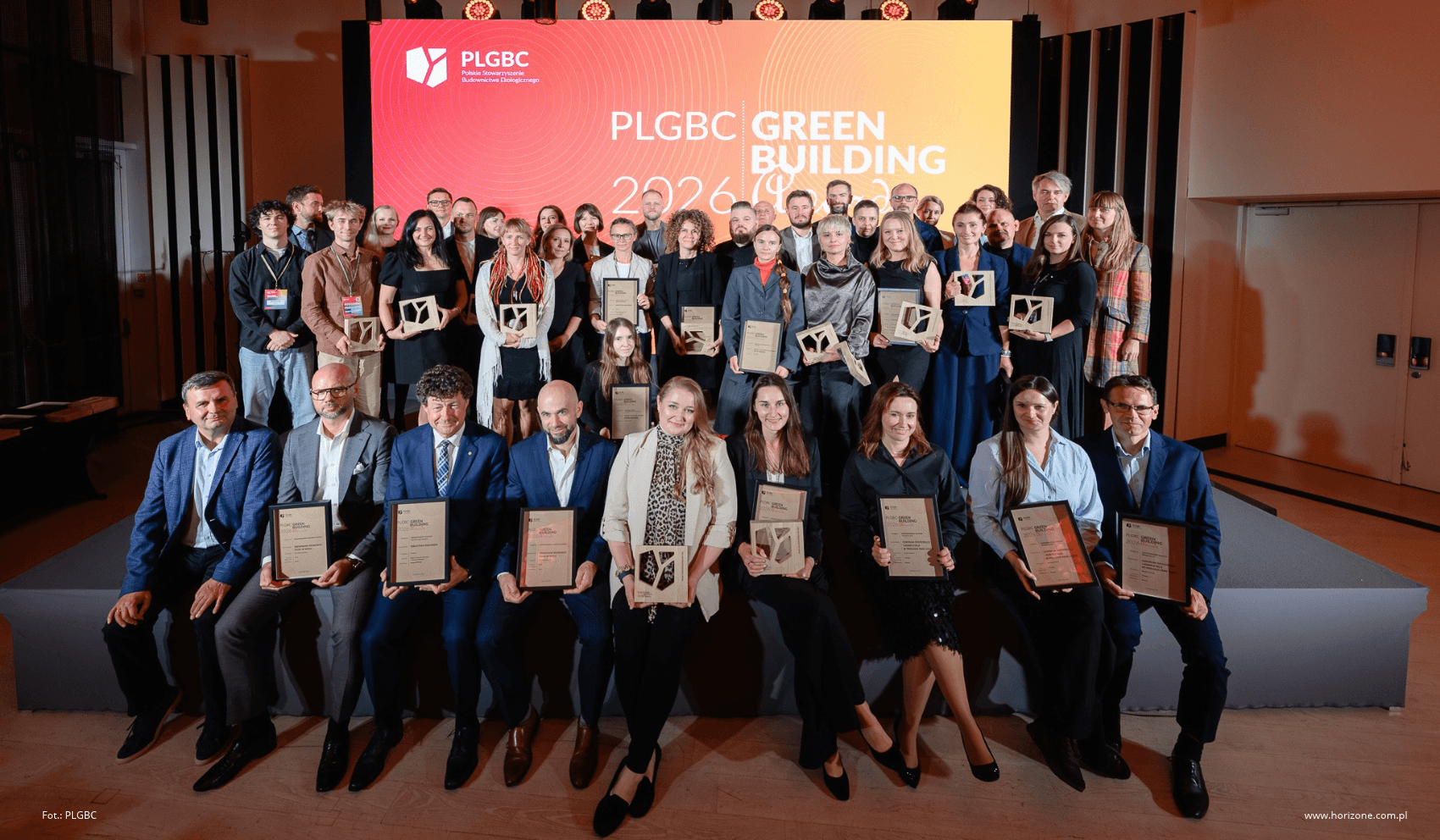
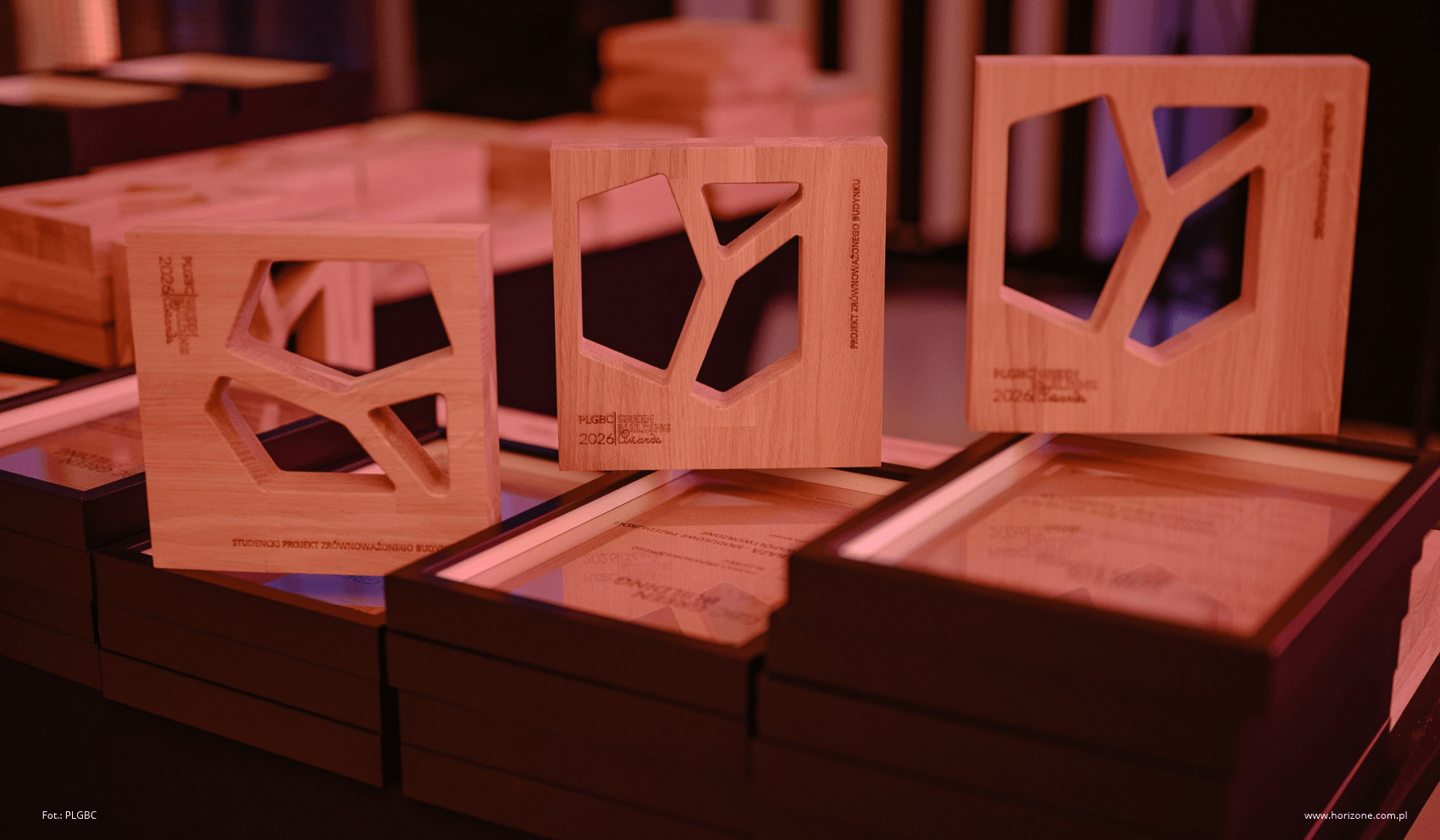
PLGBC Green Building Awards 2026
The PLGBC Green Building Awards 2026 gala also took place in the evening. The 15th edition of the competition recognized projects, solutions, and initiatives addressing key challenges in modern construction—ranging from minimizing climate and resource impacts and advancing the circular economy to creating healthy, high-quality spaces for people. The competition highlights that the transformation of the built environment operates on multiple levels: from individual technological solutions and specific buildings (including retrofits) to initiatives benefiting entire cities and communities.
As a founding member of the Polish Green Building Council (PLGBC) and a member of its Board since 2014, Horizone Studio has long been committed to advancing sustainable design. We support initiatives that promote a responsible approach to construction, industry education, and solutions that address the needs of both the environment and people. We are also co-authors of the “Healthy Green Offices” report, the “Green Home” certification, and a chapter in the PWN publication *Sustainable Office Buildings*.
We thank the PLGBC for creating a space for the valuable exchange of knowledge, experience, and perspectives. We believe that discussions on the relationship between architecture and well-being are a crucial element in shaping a more responsible built environment.
Photo: PLGBC